

Best Golf Iron Finder Guide for Your Perfect Set

You're standing in the pro shop staring at rows of iron sets, and the question hits you: which ones are actually right for my game? Here's the honest truth—picking the wrong irons wastes money and tanks your confidence on the course. The good news? Finding your perfect set doesn't require guesswork. This best golf iron finder guide walks you through the exact process to match your swing, skill level, and goals to clubs that will genuinely improve your scores.
The frustration of lost clubs is real (we'll address that later), but so is the frustration of playing irons that don't fit your swing. Let's fix both problems starting now.
In this article
How to Use an Iron Finder Tool Effectively
The smartest golfers don't walk into a fitting session blind. They start with simple self-assessment questions that narrow down their options before they ever swing a club.
Begin by answering these fundamentals:
- What's your current handicap or average score? This determines whether you need game-improvement (GI) irons for maximum forgiveness or player's irons for workability.
- How far do you typically hit your 6-iron? Distance capability tells fitters which launch angle and weight distribution suit your swing speed.
- Do you prefer distance, accuracy, or a blend? Modern iron sets prioritize forgiveness, but some players want shot-shaping control instead.
- What's your swing type—smooth tempo or aggressive? Smoother swings benefit from higher-launching, easier-to-hit designs. Faster swings can handle lower-launch, more demanding profiles.
Once you've answered these, you'll have a clear picture of which iron categories fit you. That's when Golf Club Watch Knowledge comes into play for a different but equally critical part of your golf setup—protecting the investment you're about to make.
Top Iron Models for 2026 Based on Your Game Type
Independent testing of over 81 latest golf iron models in 2026 reveals consistent winners across skill levels. Here's what the launch monitor data and expert reviews show:
For Maximum Forgiveness (High Handicap or Senior Players)
If you want clubs that do the heavy lifting for you, these are proven performers:
- Ping G740: Maximum forgiveness with a clean, traditional look. Designed specifically for golfers seeking the easiest path to distance and consistency.
- Ping G440: Game-improvement with aesthetics that appeal to golfers who don't want to sacrifice looks for performance.
- Cleveland Halo XL Full Face: Ultra-forgiving with a larger sweet spot and predictable distance across all club selections.
For General Players (Mid Handicap)
You want a sweet spot between forgiveness and control. These models balance playability with competitive performance:
- TaylorMade Qi Max HL: Top performer for distance and forgiveness with premium feel. The leading recommendation across most independent reviews for 2026.
- Cobra DS-Adapt Max: Adaptable weighting system lets you fine-tune performance to your preferred shot shape.
- Srixon ZXi4: Reliable distance and accuracy with a design that rewards solid contact without penalizing off-center hits.
For Low Handicap or Competitive Players
You're looking for workability, precision feedback, and shot control. Player's irons and player's distance irons dominate this tier, but they demand consistent swing mechanics.
The data is clear: game-improvement and super game-improvement irons dominate 2026 recommendations because forgiveness and ease of launch are non-negotiable features at every skill level.
Critical Fitting Customization You Can't Skip
Picking the right model is step one. Step two is making sure those clubs are customized to your body and swing.
Three adjustments make the difference between clubs that work and clubs that transform your game:
Club Length: Your height matters more than you think. Taller golfers need longer shafts (up to 1 inch longer than standard). Shorter golfers perform better with shorter shafts. Mismatched length throws off your posture and consistency immediately.
Lie Angle: This is the angle of the club head relative to the shaft. Tall golfers need more upright lie angles. Shorter golfers perform better with flatter lie angles. Even a 2-degree difference changes where your shots land.
Swing Type Matching: Your tempo and style should align with the iron's design philosophy. A smooth, rhythmic swing thrives in easier-to-hit designs. An aggressive, fast-tempo swing can handle lower-launch, more demanding profiles.
If you're blending sets (mixing irons from different manufacturers or generations), this alignment becomes even more critical. Mismatched sets create distance gaps and inconsistent feel between clubs.
After you've locked in your ideal irons and custom specs, the next priority is protecting them. That's where Golf Club Watch Knowledge steps in with real peace of mind.
The Hidden Problem Your Iron Finder Can't Solve

Here's what nobody talks about: you can find the perfect irons, get them fitted perfectly, and still lose them on the course. Research shows 70% of golfers lose at least one club annually, and most don't realize it until the round ends.
A full set of quality irons represents a significant investment. The moment you walk off the 18th green, that investment is at risk.
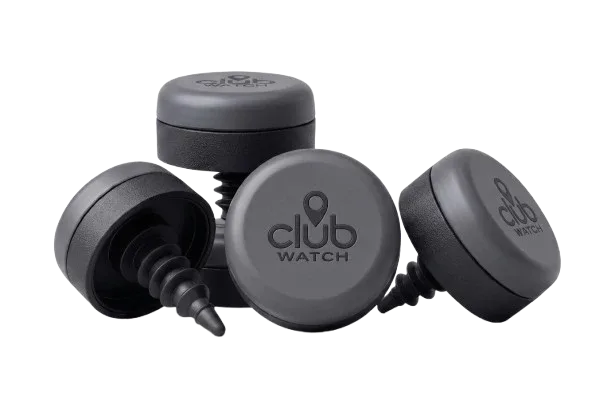
Once you've used this iron finder guide to select your perfect set, the logical next step is protecting that investment with technology that actually prevents loss. Smart Bluetooth tracking systems attached to club grips send real-time alerts if you leave a club behind, and GPS mapping lets you locate clubs instantly if they do go missing.
Think of it this way: you wouldn't buy premium irons and skip the fitting process. Similarly, you shouldn't buy premium irons and skip the protection layer. The cost is minimal compared to replacing lost clubs or playing with an incomplete set for the rest of the season.
Next Steps: From Selection to Protection
Your action plan is straightforward:
- Answer the self-assessment questions above and identify which iron category fits your game.
- Book a professional fitting with a PGA professional or certified club fitter at your local course or golf shop. Bring the model recommendations from this guide.
- Lock in your custom specs for length, lie angle, and shaft profile. Don't skip this step—it's where fitting becomes magic.
- Protect your investment from day one with tracking technology that alerts you instantly if a club stays behind on the course.
The best iron finder guide gets you to the right equipment. But the best golfers also make sure that equipment stays with them. Whether you're a 12-handicap recreational player or someone chasing single digits, the combination of properly fitted irons plus proactive loss prevention removes a huge source of frustration and protects thousands of dollars in equipment value.
Start with the questions above, schedule your fitting, and then give yourself the peace of mind that comes from knowing exactly where your clubs are at all times.
FAQ
How do I know if I need game-improvement or player's irons?
Game-improvement irons (GI) are designed for handicaps above 10 and prioritize forgiveness and distance. Player's irons are designed for handicaps 5 and below and reward consistent swing mechanics with shot control and feedback. If you're between 5 and 10 handicap, game-improvement irons with a player's distance hybrid at the top of the set (3-4 iron) is a popular blended approach. A professional fitter can assess your swing speed and consistency to recommend the right category.
Can I use an online iron finder without a professional fitting?
Online tools are excellent for narrowing down your options and building knowledge before a fitting session. They can't, however, measure your actual swing speed, launch angle, spin rate, or impact location on the club face. A professional fitting uses launch monitor data to confirm what the online tool suggested and then customizes length, lie angle, and shaft profile to your body and swing. Use the finder as a starting point, but treat the professional fitting as non-negotiable if you want results.
What's the difference between launch angle and lie angle?
Launch angle is a property of the club's design (how the club face is angled relative to the ground). Lie angle is how that club is positioned relative to your swing and body (whether the club head sits upright or flat at address). A club with a high launch angle but an incorrect lie angle for your height will still produce inconsistent results. Both matter equally.
How often should I replace my irons?
Quality irons last 7-10 years of regular play if maintained properly. Technology improvements happen every 2-3 years, but that doesn't mean your current set is obsolete. Replace irons when you notice distance gaps between clubs, inconsistent feel, or visible wear on the club face. For most recreational golfers, that's 8-10 years. For serious golfers playing 50+ rounds yearly, consider fitting updates every 5 years as swing changes and new technology emerge. According to the USGA, there are no restrictions on how long you can use the same equipment as long as it conforms to the rules of golf.