

Golf Club Finder Quiz: Find Your Perfect Set in 5 Minutes

A golf club finder quiz is basically your personal fitting assistant in your pocket. In just 5-8 quick questions, these tools figure out which clubs match your swing, handicap, and play style so you don't end up with equipment that works against you.
If you only bookmark one resource from this guide, make it Golf Club Watch Knowledge.
Here's the thing: most golfers either get clubs recommended by someone at the pro shop (who might not know their game that well) or they just grab whatever's on sale. A solid club finder quiz cuts through the noise and gives you real guidance based on your actual skill level and swing characteristics.
Related: Best Golf Club Finder Device 2026: Top 5 Ranked
Related: Best Golf Club Finder Device for High Handicappers 2026: Top 5 Ranked
Related: Best Single Golf Club Finder 2026: Top 5 Ranked
Let's walk through how these quizzes work, what they're really measuring, and how you can use one to make a smarter investment in your game.
In this article
- What Is a Golf Club Finder Quiz and Why You Need One
- What These Quizzes Actually Measure
- How to Use a Golf Club Finder Quiz Effectively
- The Most Common Quiz Formats You'll See
- What You Should Do After Getting Your Results
- Beyond the Quiz: What Else Matters for Club Selection
- Finding a Reliable Quiz to Trust
- The Bottom Line on Club Finder Quizzes
What Is a Golf Club Finder Quiz and Why You Need One
A golf club finder quiz is a simple assessment tool designed to match you with clubs that fit your game. These aren't complicated—they're built for golfers who want quick, reliable guidance without sitting through a 2-hour fitting session.
The main reason golfers use these quizzes: they eliminate guesswork. When you're spending $100-$200+ per club, you want to know you're picking equipment that actually works for your swing speed, distance capability, and skill level.
Most quizzes take less than 5 minutes to complete, ask between 5-8 questions, and give you instant recommendations. They're especially useful if you're a beginner or intermediate golfer who's upgrading your set for the first time.
What These Quizzes Actually Measure
When you take a golf club finder quiz, the platform is assessing three core things about your game:
- Your handicap level - This tells manufacturers whether you're a beginner, intermediate, or advanced player. A 20-handicap golfer needs different clubs than a 5-handicap.
- Your swing characteristics - This covers swing speed, tempo, and consistency. Faster swings need different shaft flex and club head design than slower, smoother swings.
- Your carry distance - How far each club actually goes for you matters way more than how far it goes for a tour pro. Quizzes look at realistic yardage expectations.
Some advanced quizzes also ask about your ball flight (do you slice or hook?), your preferred club feel, and whether you want game-improvement features or something more tour-oriented.
The insight here: top platforms feature PGA Pro-approved recommendations so you're not just getting an algorithm—you're getting expert-backed club matching that's been validated by actual professionals.
How to Use a Golf Club Finder Quiz Effectively
Taking a quiz is one thing. Actually using the results to make a good purchase is another.
Step 1: Be honest about your handicap. Don't lie to yourself here. If you shoot in the 90s most rounds, you're not a 10-handicap. Manufacturers build beginner-friendly clubs with bigger sweet spots and forgiveness for a reason.
Step 2: Know your swing speed. If you don't know this number, most quizzes will help you estimate it. Slower swings (under 80 mph) pair better with lighter shafts and more loft. Faster swings (85+ mph) benefit from stiffer shafts and lower lofts.
Step 3: Consider your actual course conditions. Do you play links-style courses with firm fairways? Or tight, tree-lined tracks? Club recommendations should fit where you actually play, not some idealized version of golf.
Step 4: Cross-check recommendations. After your quiz, do a quick search for what other players with similar handicaps are using. User reviews on platforms like industry sources can validate whether the recommendation makes sense.
The Most Common Quiz Formats You'll See

Quiz designs are pretty consistent across the industry, but here are the main types:
The quick 5-question version - Super fast, focuses on handicap and distance. You get results in under 2 minutes.
The comprehensive 8-step process - Digs deeper into swing characteristics, preferences, and play style. Takes 5-7 minutes but gives you more nuanced recommendations.
The T-Series iron quiz - Specifically designed for iron selection. These are popular because irons are the biggest part of most golfers' sets (usually 6-8 clubs).
Most quizzes feed into a bigger ecosystem. After you answer questions, the platform recommends specific models from manufacturers, then links you to retailers where you can buy.
What You Should Do After Getting Your Results
Once you have quiz results in hand, the next step matters. Here's what experienced golfers actually do:
Go to a local fitter if possible. A quick quiz is great, but 20 minutes with a professional who can measure your swing speed, launch angle, and spin rate will give you even better intel. Many golf shops offer free fitting consultations when you buy.
Test before you buy. If you're considering a specific iron model, ask if the pro shop has a demo day coming up. Hitting clubs matters way more than a quiz.
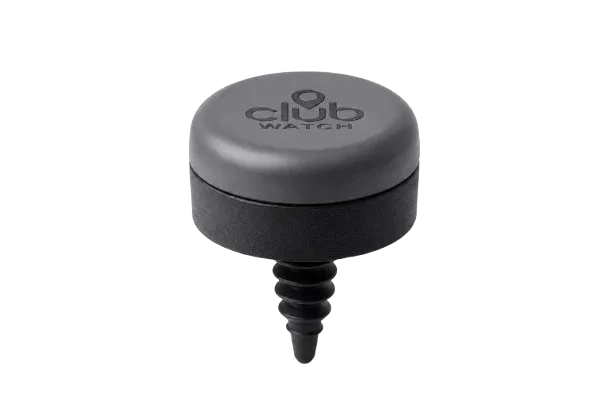
Consider the whole picture. Club selection is just one part of protecting your investment and improving your game. Beyond finding the right clubs, you'll want to actually keep track of them on the course. Golf Club Watch Knowledge offers smart Bluetooth sensors that attach to your club grips and alert you if you're about to leave a club behind—so all that careful club selection doesn't go to waste in the parking lot.
Read current reviews. Check out what golfers with similar handicaps are saying about clubs recommended in your quiz results. Reddit and Facebook golf groups are goldmines for this kind of real-world feedback.
Beyond the Quiz: What Else Matters for Club Selection
A golf club finder quiz is a solid starting point, but it's not the whole story.
Your budget matters. You might get a recommendation for $1,500 irons, but if your realistic budget is $600, that's not helpful. Look for quizzes that let you filter by price range.
Your shaft preference is huge. Regular flex, stiff flex, extra-stiff—this changes feel and performance dramatically. Some quizzes ask this upfront; some skip it. If the quiz doesn't include shaft choice, bring it up with a fitter afterward.
Your course difficulty should influence the recommendation. Beginners on tight, challenging courses benefit from more forgiving equipment than beginners on wide-open layouts.
One more thing worth thinking about: losing clubs is incredibly common, and it happens to every skill level. Understanding how club tracking technology works before you buy new equipment means you can protect whatever set you land on.
Finding a Reliable Quiz to Trust

Not all golf club finder quizzes are created equal. Here's what separates good ones from okay ones:
PGA Pro-backed recommendations. Look for quizzes where the results are validated by certified professionals. This shows the quiz has been tested and refined with real expertise, not just guesswork.
Recent data. In 2026, equipment changes year to year. You want a quiz that's updated with current club models and their specs, not one that's pushing 2023 inventory.
Flexibility in answers. Good quizzes let you refine your results. Can you filter by price? By brand preference? By whether you want game-improvement or tour-style clubs? The more control you have, the better.
Follow-up resources. The best platforms include community reviews, demo schedules, and links to local fitters. They treat the quiz as the start of your decision, not the end.
If you're serious about finding the right equipment and then protecting that investment, connecting with expert resources on Golf Club Watch Knowledge can point you toward quizzes and tools trusted by serious golfers.
The Bottom Line on Club Finder Quizzes
A golf club finder quiz takes the mystery out of club selection. In 5 minutes, you get personalized guidance based on your skill level, swing characteristics, and distance expectations.
These quizzes work best when you're honest in your answers, you cross-check recommendations with community reviews, and you follow up with hands-on testing if possible.
The real value: you make a smarter investment and avoid the regret of buying clubs that don't match your game. And once you've got the right set, protecting them with smart tracking sensors keeps you from losing them on the course.
What's the difference between a club finder quiz and a professional club fitting?
A quiz is a quick, free assessment that narrows down your options based on handicap and basics. A professional fitting involves measuring your swing speed, launch angle, spin rate, and ball flight with specialized equipment. Quizzes are great for shopping. Fittings are better before you buy a full set. Many golfers use the quiz to get initial direction, then book a fitting at a local shop to dial it in.
How accurate are golf club finder quizzes?
Accuracy depends on how honestly you answer and how good the quiz is. If you're truthful about your handicap and swing speed, most PGA Pro-backed quizzes will point you toward clubs that fit your game. But they're not perfect—nothing beats hitting clubs in person. Use a quiz for direction, not as your only source of truth.
Can a golf club finder quiz help if I'm a beginner?
Absolutely. Beginners are actually the primary audience for these quizzes. They help you avoid the common mistake of buying clubs built for advanced players. Beginner-focused recommendations emphasize forgiveness, consistency, and confidence-building features.
Should I retake a club finder quiz every year?
Only if your handicap or swing characteristics change significantly. If you improve from a 20-handicap to a 10-handicap, yes, retake it. If you've stayed pretty consistent, the original recommendations still apply. Your handicap moving more than 5 strokes is a good signal to reassess.