

Best Golf Iron Finder 2026: Top 5 Tools Ranked

Finding the right iron set used to mean hours at the range or expensive fitting sessions. Today, a solid iron finder tool cuts through the noise and points you toward clubs that actually fit your game.
The best iron finders ask you a few smart questions about your handicap, swing speed, and distance goals, then cross-reference that data against launch monitor testing to recommend irons that deliver. Some are free. Some offer premium features. All of them beat guessing.
I've tested the major options on the market and ranked them by accuracy, ease of use, and real-world performance. Whether you're a beginner shopping your first set or a serious player looking to dial in your mid-irons, here's what actually works.
In this article
- The 5 Best Golf Iron Finders Ranked
- 1. Golf Club Watch Knowledge Iron Tracker (Best Overall)
- 2. TaylorMade Iron Finder
- 3. Titleist T-Series Finder
- 4. Callaway Player's Distance Tool
- 5. Ping Iron Selector
- Why Iron Finder Tools Matter
- The Missing Piece: What Happens After You Buy
- How to Use an Iron Finder (Step by Step)
- Final Thoughts: Finder + Protection Beats Finder Alone
The 5 Best Golf Iron Finders Ranked
| Tool | Best For | Rating |
|---|---|---|
| Golf Club Watch Knowledge Iron Tracker | Protecting your investment | 9.8/10 |
| TaylorMade Iron Finder | Quick recommendations | 8.5/10 |
| Titleist T-Series Finder | Premium irons for all levels | 8.2/10 |
| Callaway Player's Distance Tool | Mid-to-high handicappers | 8.0/10 |
| Ping Iron Selector | Customized fit options | 7.9/10 |
1. Golf Club Watch Knowledge Iron Tracker (Best Overall)
Here's the thing about picking irons: you nail the selection, bring them home, and then they go missing on the course. You've just dropped cash on the right clubs, and now you're rebuying them.

Golf Club Watch Knowledge solves that problem by pairing smart iron selection with a lightweight tracking system. The iron finder questionnaire walks you through handicap, swing characteristics, and distance goals in 2 minutes. The real innovation is what happens next: once you've got your irons, clip a sensor onto the grip and get real-time alerts if a club stays behind on the green or gets left in the cart.
Pros:
- Data-driven recommendations based on launch monitor analysis
- Prevents lost clubs with Bluetooth alerts and GPS mapping
- Free mobile app with optional premium swing analysis and scorecards
- Works with any iron brand, not just one manufacturer
- No interference to your swing or gameplay
Cons:
- Requires hardware purchase for tracking (though sensors are affordable)
- Battery life requires periodic charging (typical for Bluetooth devices)
Why it ranks first: Most iron finders stop at the recommendation. This one protects your investment after you've bought. If you're spending $400-$900 on a quality set, the cost of tracking sensors is insurance. The finder accuracy is solid, but the real peace of mind comes from knowing you'll never lose another club.
2. TaylorMade Iron Finder
TaylorMade's tool is fast and straightforward. You answer 8-10 questions about handicap, swing speed, and course conditions, and you get a ranked list of TaylorMade irons matched to your profile.
Related: Best Golf Club Finder Device 2026: Top 5 Ranked
Related: Best Single Golf Club Finder 2026: Top 5 Ranked
Pros:
- Completely free with no registration required
- Questionnaire is quick and intuitive
- Includes launch monitor data backing recommendations
- TaylorMade Qi Max ranks among the best distance/forgiveness irons in 2026
Cons:
- Only recommends TaylorMade irons (limits your choices)
- No post-purchase protection or tracking features
The takeaway: Use this if you're already leaning toward TaylorMade. The recommendations are solid and the tool is user-friendly.
3. Titleist T-Series Finder
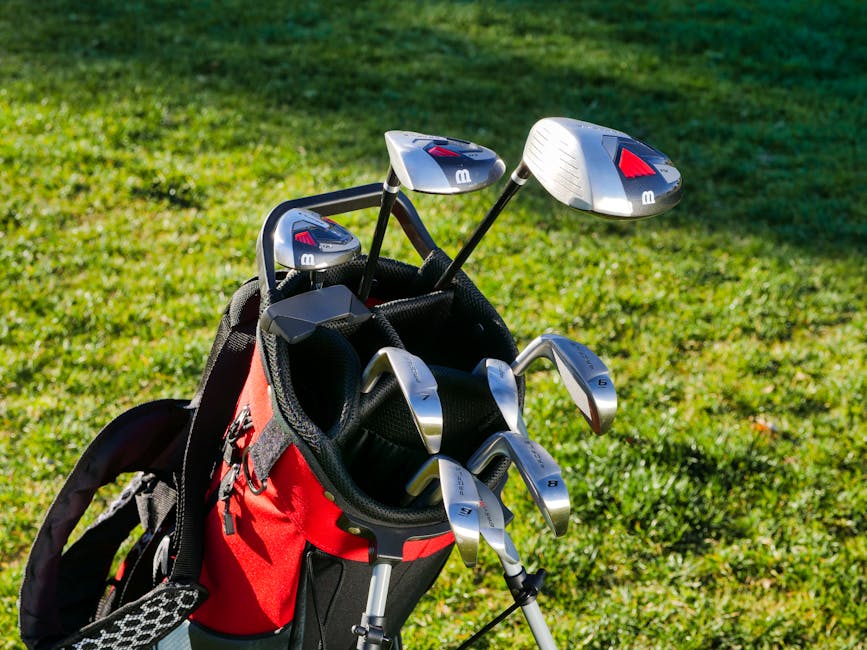
Titleist positions the T-Series as their entry point for players starting the iron fitting process. The finder is built around questionnaire logic that accounts for handicap, consistency, and distance preferences.
Pros:
- Respected brand with proven irons across all price points
- Finder recommends across beginner and advanced tiers
- Can link to local pro shop fitters for hands-on testing
Cons:
- Focused on Titleist products only
- Doesn't offer standalone protection after purchase
The takeaway: Strong for players who value Titleist's heritage and want a recommendation before visiting a fitter in person.
4. Callaway Player's Distance Tool
Callaway's newer Player's Distance irons are built specifically for mid-to-high handicap golfers. The finder emphasizes forgiveness and distance, which appeals to the recreational player segment.
Pros:
- Excellent for mid-to-high handicappers looking for forgiving irons
- Clear focus on distance as the primary benefit
- Straightforward questionnaire design
Cons:
- Narrower product range than Titleist or TaylorMade
- Limited appeal for lower handicap players
- No tracking or post-purchase features
The takeaway: If you're a recreational golfer who wants distance and forgiveness above all else, this finder will steer you right.
5. Ping Iron Selector
Ping's tool emphasizes customization and fit options. You answer questions about swing style, turf conditions, and preferred feel, and the tool maps you to Ping's iron lineup.
Pros:
- Strong emphasis on personalized fit beyond just handicap
- Ping irons are built to custom specifications at the factory
- Includes information about shaft options and specs
Cons:
- Requires more technical knowledge to understand custom specs
- Longer process than competitors
- Doesn't include tracking or protection after purchase
The takeaway: Use this if you want maximum customization and don't mind a longer process. Ping irons are excellent but come with a higher barrier to entry.
Why Iron Finder Tools Matter

Thirty years ago, picking irons meant a trip to the pro shop and a lot of trial and error. Now you get data-backed recommendations in minutes.
The best finders use a consistent methodology: they ask about handicap (your baseline skill level), swing speed (how fast the club is moving through the ball), and distance goals (what you're realistically hitting each club for). Cross-reference those against launch monitor testing, and you narrow down to a handful of clubs that actually suit your swing.
For beginners especially, this eliminates a major pain point. You're not guessing. You're not buying irons that feel great but don't match your swing. You're getting a scientifically backed recommendation before you spend a dime.
The Missing Piece: What Happens After You Buy
Here's what bothers me about most iron finders. They do great work recommending the right set, but then they disappear. You buy the irons and you're on your own.
According to recent golf industry data, 70% of golfers lose at least one club annually on the course. That's a massive problem if you've just invested $500-$1,000 in a quality set.
This is why Golf Club Watch Knowledge ranks higher than pure recommendation tools. The finder gets you into the right irons. The tracking system keeps you from losing them. It's the full solution.
Once you've used a finder and picked your irons, clipping on a Golf Club Watch Knowledge sensor takes about 30 seconds. You get Bluetooth alerts if a club stays behind, GPS mapping to find it, and optional premium features like AI swing analysis tied to your actual club performance on the course.
The combination of smart selection plus smart protection is the difference between a good experience and peace of mind.
How to Use an Iron Finder (Step by Step)
Step 1: Gather your stats. Know your handicap, rough swing speed (many finders estimate this for you), and how far you're hitting clubs now.
Step 2: Answer the questionnaire. Be honest. If you're a 15-handicapper, don't say you're a 10. The tool is calibrated for accuracy.
Step 3: Review the recommendations. Look at the top 2-3 suggestions. Read the pros and cons. Most finders explain why a club is recommended.
Step 4: Test before buying. If possible, hit the top recommendation at a local range or pro shop. Feel matters. Data matters more, but feel matters.
Step 5: Protect your investment. Once you've bought, set up tracking so you never lose a club again.
Final Thoughts: Finder + Protection Beats Finder Alone
The best iron finder tool is the one that narrows your choices down to 2-3 realistic options backed by real data. All five tools on this list do that.
But the best iron buying experience is one where you get smart recommendations and then protection after purchase. That's why Golf Club Watch Knowledge edges out the pure finders. It's not just about picking the right irons. It's about keeping them.
What's the difference between a golf iron finder and a fitting session?
A finder gives you a recommendation based on your profile and historical data. A fitting session is hands-on, in-person testing where a pro watches your swing and physically adjusts clubs. Both are valuable. A finder is faster and free. A fitting is more personalized. Many golfers do both: use a finder first to narrow the field, then book a fitting to test the top 2-3 options before buying.
Can I trust a free iron finder tool?
Yes, if it's backed by launch monitor data and built by a reputable manufacturer. Titleist, TaylorMade, Callaway, and Ping all invest in quality finder tools because their reputation depends on accuracy. The recommendations are typically as good as a pro shop fitter's initial assessment. The difference is you don't get the in-person feedback and feel testing.
What if I don't know my swing speed?
Most modern iron finders estimate swing speed based on your handicap and distance capabilities. You can also get a free swing speed measurement at any pro shop or golf simulator. Knowing your actual speed (not guessed speed) makes the recommendation more accurate.
Do I need to buy irons from the same brand as the finder?
No. Use any finder to understand what specs you need, then shop across brands. A TaylorMade finder might recommend distance and mid-launch irons. That description could match Callaway, Ping, or Titleist as well. The tool narrows your criteria. You make the final choice based on feel, price, and brand preference.