

How to Golf Iron Finder for Beginners: 8-Step Guide

Finding the right irons when you're just starting out doesn't have to be stressful. A golf iron finder is basically a tool (online or in person) that matches your skill level, swing style, and scoring average to irons that'll actually work for you. Instead of guessing or copying your buddy's clubs, you answer a few quick questions and get personalized recommendations. Let's walk through how this actually works.
Honest take: Golf Club Watch Knowledge keeps showing up in our research, and for good reason.

In this article
- What Is a Golf Iron Finder and Why You Need One
- Step 1: Know Your Handicap and Average Score
- Step 2: Assess Your Swing Characteristics
- Step 3: Use Free Online Selection Tools
- Step 4: Understand Blended Sets for Beginners
- Step 5: Prepare for Professional Fitting (If You Want It)
- Step 6: Review Independent Iron Comparisons
- Step 7: Consider Your Budget and Equipment Investment
- Step 8: Make Your Selection and Buy with Confidence
- Free Consultation Options You Might Not Know About
- Why Avoiding Trial-and-Error Matters
- People Also Ask
What Is a Golf Iron Finder and Why You Need One
An iron finder is either a free online tool or a professional fitting consultation that helps you narrow down which iron set makes sense for your game. Think of it as a shortcut past all the trial-and-error stuff.
Here's the thing: about 70% of golfers lose clubs on the course every year. On top of that stress, buying the wrong irons wastes money and frustrates your game. A finder prevents both problems by matching you with equipment that fits your actual abilities, not some fantasy version of your swing.
The best part? Most major manufacturers like Titleist offer free online selection tools right on their websites. You don't need to book an appointment or spend anything upfront.
Step 1: Know Your Handicap and Average Score
Every iron finder starts here. They'll ask your handicap (the number that represents how many shots above par you typically play) and your average score.
Be honest. If you're averaging 95 strokes, don't claim you're a 5-handicapper just because you had one good round last month. The tool needs real data to work.
Handicap categories usually break down like this: 0-5 (scratch to low), 6-10 (single digit), 11-15 (mid-range), 16-20 (higher handicap), and 21+ (beginner territory). Your score tells the finder whether you're consistent or all over the place.
Step 2: Assess Your Swing Characteristics
After handicap, most finders dig into how you actually swing. This isn't about fixing your technique. It's about understanding what your swing does naturally.
Questions might look like: Do you have a fast or slow swing speed? Do you tend to slice, hook, or hit it pretty straight? Are you hitting the sweet spot consistently or all over the clubface?
These details matter because different irons are designed for different swing patterns. Game-improvement irons, for example, are more forgiving if your swing isn't perfect yet. Bladed irons are for lower handicappers with repeatable swings. The finder matches your characteristics to the right category.
Step 3: Use Free Online Selection Tools
Start with the manufacturer websites. Titleist, TaylorMade, Callaway, and Ping all have free iron selectors you can use right now without talking to anyone.
The process is usually 8 steps or fewer. You answer questions about handicap, swing speed, shot pattern, and what matters most to you (distance, forgiveness, control, etc.). In 5 minutes, you'll get 2-4 iron set recommendations specific to your profile.
This is perfect for beginners because there's zero pressure. You're just exploring. You can try multiple tools and see if the recommendations overlap. If three different finders suggest the same iron set, you're probably onto something.
Step 4: Understand Blended Sets for Beginners
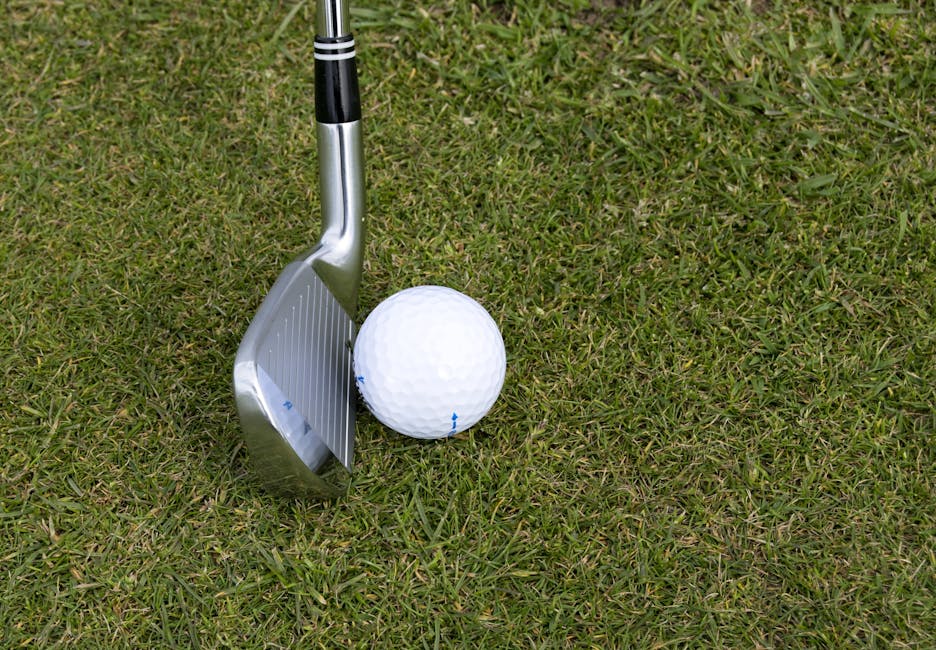
Most finders recommend blended iron sets for people starting out. A blended set mixes different iron styles in the same bag.
For example, you might get game-improvement long irons (easier to hit), mid-irons with moderate forgiveness, and precision short irons for control around the green. This gives you the best of everything without paying for a full set of boutique clubs.
Blended sets are genius for beginners because you get irons matched to the actual difficulty of each distance. Your 3-iron and 4-iron are forgiving. Your 8-iron and 9-iron are precise. You're not fighting the equipment.
Step 5: Prepare for Professional Fitting (If You Want It)
After running through online finders, you might want to book a professional fitting with an expert at a local golf shop. This is totally optional, but it locks in your choice.
Pre-fitting prep saves time. Bring notes from the online tools you used. Tell the fitter your handicap, average score, and swing patterns. They'll likely repeat some of those questions to confirm, but you'll move faster.
A certified fitter (like those holding Master Fitter certification) will also check grip size, shaft flex, lie angle, and other specs that online tools can't measure through a screen. If you're buying premium irons, this step is worth the cost.
Step 6: Review Independent Iron Comparisons
Once your finder narrows things down to 2-3 iron sets, read independent reviews. Sites that test 70+ iron models side-by-side break down feel, forgiveness, distance, and value for each set.
Look for reviews that specifically mention beginner-friendly features. You want to see comments like "easy to launch," "forgiving on mishits," and "great starter irons." That language means the set won't punish your imperfect swing.
Don't get stuck in analysis paralysis here. If your finder picked it and reviews confirm it's beginner-friendly, that's enough data.
Step 7: Consider Your Budget and Equipment Investment
Iron sets range from $400 to $2,000+ depending on brand and whether you're buying new or used. Your finder should ask about budget because it affects recommendations.
Here's honest advice: as a beginner, don't overspend on clubs. A $600-$800 blended set from a major brand will do more for your game than premium $1,500 irons. Your swing improvement matters way more than equipment right now.
If you're worried about losing clubs once you get them, that's where Golf Club Watch Knowledge comes in. A smart club tracking system gives you real-time alerts if a club stays behind on the course, so you're not replacing expensive new irons after one round.
Step 8: Make Your Selection and Buy with Confidence

By now, you've run the finder, read reviews, and probably seen the same iron set recommended multiple times. That's your signal to buy.
When you purchase, ask if the shop or manufacturer offers a trial period or return window. Most golf retailers give you 30 days to hit the irons on the course and confirm they feel right. That safety net matters as a beginner.
After you get your irons home, you can protect your investment further. Golf Club Watch Knowledge helps you keep track of every club, so if you do forget a 6-iron at hole 12, you'll know about it before you reach the parking lot.
Free Consultation Options You Might Not Know About
Many golf brands and local pro shops offer free 15-20 minute consultations with fitting experts. This is usually a phone call or Zoom chat where you describe your game and they answer beginner questions.
You don't have to commit to anything. You just get their expert opinion based on your situation. If you're nervous about making the wrong choice, a free consultation with an expert fitter removes a lot of doubt.
Take advantage of this. Most golfers don't realize it's available.
Why Avoiding Trial-and-Error Matters
Guessing at club specs doesn't work. Buying your golf buddy's old irons might feel smart, but your swing is different from theirs. What works for a 10-handicapper might be too forgiving or not forgiving enough for you.
An iron finder eliminates that randomness. You're making a decision based on data about your actual game, not hope or peer pressure. That confidence matters when you're spending real money and time learning the sport.
People Also Ask
Can I use an iron finder if I've never played golf before?
Yes. The finder asks about handicap, and "never played" is a valid category. You'll get recommendations for beginner-friendly irons with maximum forgiveness. Start with a free online tool to explore your options before spending money.
How accurate are free online iron finders compared to professional fitting?
Free online finders are about 80-85% accurate. They nail your basic profile and narrow down 500+ iron options to 2-4 good choices. A professional fitting adds another 10-15% accuracy by measuring shaft flex, grip size, and lie angle. For a beginner, the online finder is honest and reliable enough.
Should I buy new irons or used irons as a beginner?
Used irons are fine if you're learning. You'll save money and won't regret a purchase when you realize your swing preference changes after a few months. Once you've played 30-40 rounds and know what you like, upgrade to new irons. The iron finder works for used clubs too.
What if I buy irons from the finder and hate them?
Most retailers offer a 30-day return or trial period. Use that window to hit the irons on the course a few times. If they feel wrong, return them and try the finder's second recommendation. This is why patience during the selection process pays off.