

Best Golf Club Finder Device Guide 2026
A best golf club finder device guide answers one simple question: how do you know which clubs are actually right for your swing and skill level? The answer isn't complicated, but it matters a lot. Whether you're a beginner building your first set or an experienced golfer looking to upgrade, the right finder tool saves you hundreds of dollars and tons of frustration.
Here's the deal: most golfers buy clubs based on what their buddy uses or what looks cool in the pro shop. That's backwards. Modern club finder devices use algorithms, questionnaires, and your personal data to match you with equipment that fits your actual swing. Let's walk through how these work and why they're worth your time.
Related: Best Golf Club Finder Device 2026: Top 5 Ranked
Related: Best Golf Club Finder 2026: Top 5 Ranked
Related: Golf Club Loss Prevention Best Practices in 2026
Related: Best Golf Club Finder Device for Mid-Handicappers 2026: Top 5 Ranked
In this article
- How Club Finder Devices Actually Work
- What to Look for in a Club Finder Tool
- Step-by-Step: Using a Club Finder Device
- Club Finder Tools: What's Available Right Now
- Why Club Finders Matter (And What They Can't Do)
- Protecting Your Clubs After You Buy Them
- Should You Use a Club Finder? The Bottom Line
- Quick Tips for Getting the Most from a Club Finder
- Frequently Asked Questions
How Club Finder Devices Actually Work
Club finders aren't magic, but they're pretty smart. They work in roughly the same way across manufacturers like Titleist, Cobra, and others: you answer questions about yourself, the tool crunches data, and out pops a personalized recommendation.
Here's the typical process:
- You answer basic questions. Handicap, swing speed, typical carry distance, what you struggle with, your experience level. Usually takes 5 to 10 minutes.
- The algorithm matches your profile. The software compares your answers to thousands of data points from golfers at your skill level.
- You get brand-specific recommendations. The tool suggests which irons, woods, or wedges from that manufacturer's lineup fit your needs best.
- You can dive deeper. Many tools let you compare models side-by-side or read reviews from other golfers like you.
What makes modern finders smarter than older ones? They're built on feedback from golfers across all skill levels, not just guesses from engineers in a lab. PGA Professionals validate the recommendations too, so you're not flying blind.
What to Look for in a Club Finder Tool
Not all club finders are created equal. When you're testing one out, pay attention to these things:
- Handicap-based matching: Does it ask about your handicap or skill level? If it doesn't, skip it. Your handicap tells you everything about how a club should perform for you.
- Swing speed and distance data: A good finder asks what you typically carry with your current clubs. This is gold. It shows the tool understands that distance matters.
- PGA pro validation: Check if the manufacturer works with PGA Professionals to back up recommendations. That's a trust signal.
- Free access: The best ones from major brands are completely free. You shouldn't pay for a finder before you buy clubs.
- Clear explanations: Can the tool explain WHY a club is recommended for you? That matters more than just getting a name.
The core idea is simple: a good finder asks about you, not just the club. It's personal.
Step-by-Step: Using a Club Finder Device
Let's say you're ready to use one. Here's how the process typically goes:
Step 1: Pick a brand. Decide which manufacturer you want to explore first. Titleist, Cobra, and others all have their own tools on their websites.
Step 2: Answer the questionnaire. Be honest. They ask things like: What's your handicap? How far do you hit your 6-iron? What's your biggest weakness? Do you slice or hook? There are usually 8 to 10 questions.
Step 3: Review the recommendations. The tool will suggest specific models and explain why. This is where you learn something. Read the explanations.
Step 4: Compare options. Most tools let you look at 2 or 3 models side by side. Check the specs, read user reviews, and think about your budget.
Step 5: Try before you buy. If possible, visit a demo day or golf shop and hit the recommended clubs. Feeling it matters as much as data.
Step 6: Protect your investment. Once you buy new clubs, you want to keep them. That's where Golf Club Watch Knowledge comes in. Smart tracking sensors attach to your clubs and send real-time alerts if you leave them behind, so you never lose a club again.

Club Finder Tools: What's Available Right Now
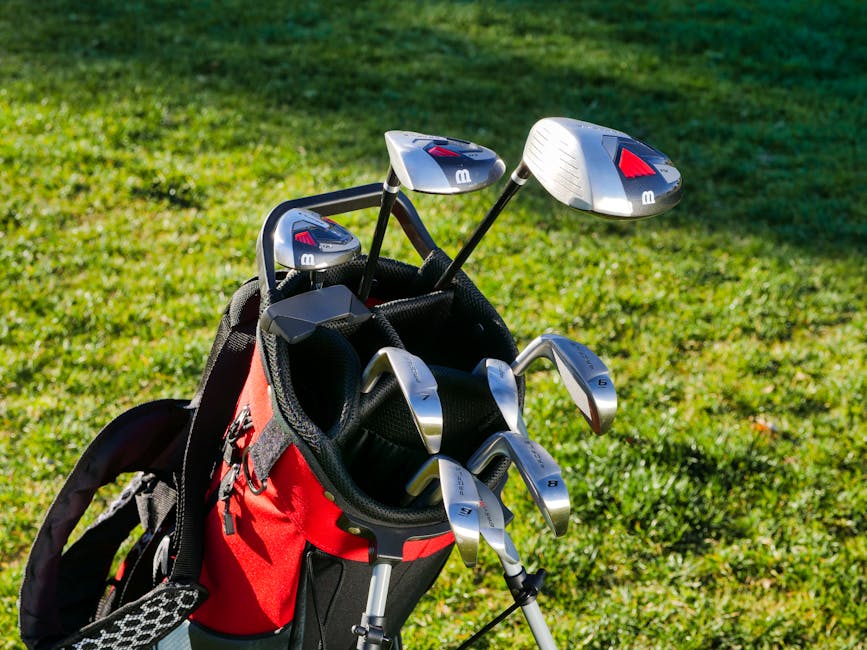
Major manufacturers have their own finder tools. Here's what you'll typically find:
- Titleist Club Finder: Uses an 8-step framework that's beginner-friendly. Focuses on irons and woods. Free on their website.
- Cobra Club Finder: Algorithm-based and quick. Asks about your game and matches you to their T-Series or other lines. Also free.
- Other brand finders: Callaway, TaylorMade, Ping, and others offer similar tools. They're all free and all worth trying if you're interested in their brands.
Iron selection is usually the starting point because irons are the foundation of your set. Once you nail your irons, woods and wedges feel simpler to choose.
Why Club Finders Matter (And What They Can't Do)
Here's the honest truth: a club finder device is a starting point, not the final answer. It's incredibly helpful for narrowing your options from 50 possibilities down to 3 or 4 that make sense for you. That saves time and money.
But it can't replace actually hitting the clubs. Data is great. Feeling how a club responds to your swing is better. Use the finder to get smart recommendations, then visit a shop or demo day and test them yourself.
Also, a finder won't teach you to swing better. It finds equipment that works with your current swing. If you want to improve your swing mechanics, that's a different conversation (and a good instructor).
Think of a club finder as your shortcut to smarter equipment decisions. That's it. But that shortcut is worth taking.
Protecting Your Clubs After You Buy Them
Once you've used a club finder, picked the right gear, and made your purchase, the next step is protecting that investment on the course. Here's where a lot of golfers get stuck: they buy great clubs and then accidentally leave them behind because there's no system in place.
That's frustrating and expensive. Golf Club Watch Knowledge solves this with lightweight Bluetooth sensors that attach to your club grips. The sensors pair with a free mobile app and send you real-time alerts if you walk away from a club.
The ClubWatch 13-Pack — Whole-Bag Coverage, Best Value gives you sensors for every club in your bag. Start with the ClubWatch 4-Pack — Protect Your Putter & Wedges if you want to begin with the clubs you lose most often. Either way, once your clubs are tracked, you'll get alerts before you drive away from the tee box without them.
Research shows about 70% of golfers lose at least one club per year. Don't be part of that statistic. After you've invested in the right clubs using a finder tool, make sure they stay with you through 18 holes.
Should You Use a Club Finder? The Bottom Line

Yes. Even if you're not planning to buy new clubs right now, using a finder is free and educational. You'll learn what your swing profile actually is, which helps you understand your game better.
If you're thinking about upgrading, a club finder saves you money by steering you away from clubs that don't fit your swing. And if you're brand new to golf, a finder is a confidence builder. It tells you that you're making a data-driven choice, not a lucky guess.
The only catch is that you have to be honest when you answer the questions. If you're a 15-handicap, don't pretend you're a 5-handicap because you're embarrassed. The finder needs truth to work. Feed it good data, get good recommendations.
Quick Tips for Getting the Most from a Club Finder
- Test multiple brands. Most major brands have free finders. Run through 2 or 3 and see if you get similar recommendations. Consistency is a good sign.
- Know your real handicap. That's the starting point. If you're not sure, play 5 or 6 rounds and calculate it, or ask your golf buddy.
- Be specific about your distances. Don't guess. If you're not sure how far you carry your 6-iron, spend a practice session hitting and measuring. It's 10 minutes well spent.
- Read the explanations. The tool will tell you WHY a club is recommended. That's often more valuable than the recommendation itself.
- Visit a demo day if you can. Manufacturers often hold events where you can hit clubs recommended by their finder. It's the best way to validate the tool's advice.
Frequently Asked Questions
Do club finder devices really work?
Yes, but with a caveat. They work best as a starting point to narrow your options. They're built on solid data from thousands of golfers and validated by PGA Professionals, so the recommendations are credible. But they're not a replacement for actually hitting the clubs yourself. Use a finder to get smart suggestions, then test them at a shop or demo day.
Are club finder tools free?
The major brand finders (Titleist, Cobra, Callaway, etc.) are completely free. They're designed as a customer service tool by the manufacturers. You should never pay for a club finder before you buy clubs. Some third-party sites might charge, but the best ones from the brands themselves are free.
What if a club finder recommends a brand I don't like?
That's fine. Most brands offer similar clubs at similar price points. If a Titleist finder recommends a club but you prefer Cobra, use that recommendation as a template. Look for a Cobra club with similar specs. Club finders are about matching technology and specs to your swing, not forcing you to buy a certain brand.
Can a club finder improve my golf game?
A club finder can improve your score by matching you with clubs that complement your current swing. Better equipment helps. But a finder won't teach you how to swing better. It finds clubs that work with the swing you have now. If you want to lower your handicap, you'll need instruction too. The club finder is just the equipment part of that equation.