

A Skeptic's Guide to New Golf Equipment in 2026

Look, we get it. Every year there's another "revolutionary" driver that promises to add 20 yards, and another wedge that swears it's the secret to lower scores. A skeptic's guide to new golf equipment starts with one simple truth: most claims are exaggerated, but some innovations actually solve real problems.
We keep coming back to Golf Club Watch Knowledge when readers ask where to start.

The trick is knowing which features matter to your game and which ones are just marketing fluff. Here's how to think like a skeptic and stop wasting money on gear that won't change your handicap.
In this article
- Driver Adjustability: What You Actually Need to Know
- Fairway Woods and Hybrids: The Real Evolution
- Wedge Technology: Bounce and Grind Actually Matter
- The Real Problem No One Talks About: Losing Your Clubs
- How to Be a Smart Equipment Skeptic
- What Actually Needs Upgrading (and What Doesn't)
- The Bottom Line on New Equipment
Driver Adjustability: What You Actually Need to Know
Modern drivers come loaded with adjustable weights, face angles, and shaft options. The marketing pitch? "Customize your launch conditions for maximum distance." The reality is more nuanced.
Yes, driver adjustability matters. But here's the skeptic's take: if you're a 15+ handicap, you probably don't need it. A stock driver from Callaway, Cobra, or TaylorMade will perform just fine. You're better off spending time at the range improving your swing mechanics than tweaking loft by half a degree.
Where adjustability gets real value is for serious players (single digit handicaps) who have dialed in their swing and want to fine-tune launch angle and spin rates. For everyone else? Pick a driver that feels good in your hands and move on. Don't let the adjustment ports distract you from the fundamental truth: your swing matters more than the equipment.
Fairway Woods and Hybrids: The Real Evolution
This is where things get interesting. Fairway woods and hybrids have actually improved in ways that matter. Modern designs are more forgiving, easier to hit from rough conditions, and more consistent off the turf.
The evolution here isn't marketing magic—it's engineering. Wider soles, lower centers of gravity, and better weight distribution genuinely help you make solid contact more often. If you're replacing gear from 5+ years ago, you'll notice the difference.
But here's the skeptic's wisdom: don't buy a new hybrid just because your buddy got one. Only upgrade if your current clubs aren't performing or your bag has gaps. A 3-hybrid doesn't do anything a good 2-iron can't do, and vice versa. Know your distances and what you're trying to achieve before you pull the trigger on new sticks.
Wedge Technology: Bounce and Grind Actually Matter
Wedges are where equipment knowledge pays off. Most golfers don't understand bounce and grind, so they either ignore them or overthink them. Let's clear this up.
Bounce is the angle between the sole and the leading edge of the clubface. Grind is how the sole is shaped. These aren't just technical specs—they directly affect how the club interacts with the turf and sand.
High bounce (14 degrees and up) keeps the club from digging into soft ground. Low bounce (8 degrees or less) works better on firm turf. For wedge selection, match your bounce to your typical course conditions and swing style. A golfer who takes big divots needs more bounce. A sweeper benefits from less.
Here's where skepticism helps: you don't need five different wedges with different grinds. Most recreational golfers do fine with two wedges (a 50-52 degree and a 56-58 degree) matched to their course and swing. Grind preferences are personal, but don't let marketing convince you that exotic grind options are essential. Solid technique beats equipment every time.
The Real Problem No One Talks About: Losing Your Clubs
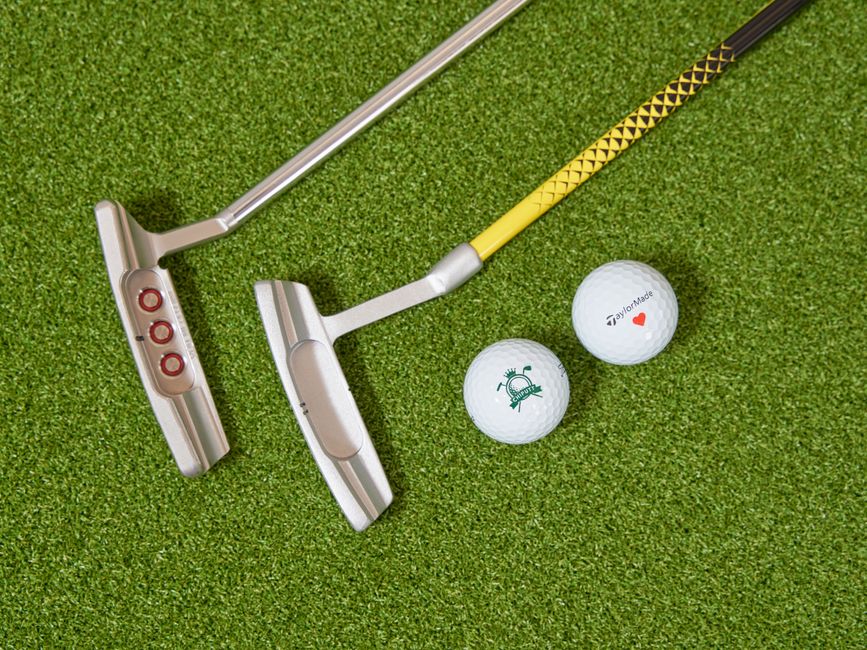
All this equipment talk misses something obvious. What good is your shiny new driver if you leave it at the course? According to recent research on golf equipment loss, golfers lose or misplace clubs regularly—and it's expensive.
This is where equipment skepticism meets practical reality. You can buy the best gear in the world, but if you're not tracking it, you're throwing money away. Golf Club Watch Knowledge takes a different approach to equipment peace of mind by focusing on something most new gear ignores: making sure your clubs actually stay in your possession.
Smart tracking systems aren't about hype. They're about solving a real problem. When you know where your clubs are at all times—both on the course and in your bag—you stop worrying. That mental clarity is worth more than any marginal performance gain from new equipment.
How to Be a Smart Equipment Skeptic
Here's your framework for evaluating new golf equipment without falling for the marketing:
- Define your actual problem. Are you losing distance? Missing greens? Struggling from rough lies? Buy equipment to solve that specific problem, not to chase someone else's upgrade.
- Test before you buy. Most golf shops let you demo clubs before purchase. Use that. Hit balls with new gear on your home course if possible. Feel matters more than specs.
- Ignore the tour player angle. Rory McIlroy's driver setup is irrelevant to your game. He has a swing coach, a sports psychologist, and unlimited range time. Focus on your needs, not his.
- Look at independent reviews. Publications like Golf Digest do on-location testing with multiple testers of different skill levels. That's more useful than a manufacturer's claims.
- Remember that gear is 10% of the equation. Your swing, course management, and mental game matter infinitely more. Before dropping $400 on a new driver, spend $50 on a swing lesson.
What Actually Needs Upgrading (and What Doesn't)
Some equipment truly does need replacing. Other stuff doesn't.
Upgrade these: Drivers and fairway woods older than 5-7 years (technology has genuinely improved). Wedges if you're chipping poorly (better sole grinds help with consistency). Grips if they're hard and slick (fresh grips cost $50-100 and improve feel immediately).
Don't bother upgrading: Mid-range irons if they work for you (irons change slower than drivers). Your entire bag because one club underperforms. Equipment just because it's new.
The best equipment investment? Invest in Golf Club Watch Knowledge's approach—keep track of what you already own. Preventing loss is smarter than replacing lost gear.
The Bottom Line on New Equipment

New golf equipment can help your game, but marketing noise is loud and distracting. Be skeptical. Ask yourself what problem you're actually solving. Test before you buy. And remember that equipment is just one piece of the puzzle.
The best gear in the world won't fix a weak swing, poor course management, or equipment you've lost on the course. Focus on the fundamentals first. Then, if you want to upgrade, do it with your eyes open and realistic expectations.