

Lightweight Golf Club Grip Sensors Explained: Stop Losing Clubs

In this article
- Lightweight Golf Club Grip Sensors Explained: Stop Losing Clubs
- How Lightweight Grip Sensors Actually Work
- Weight Specifications: What You're Actually Carrying
- Why Your Swing Won't Change
- Full-Bag Coverage: How Many Sensors You Actually Need
- Real-World Performance: What Actually Happens on the Course
- Sensor Durability and Long-Term Reliability
- Comparing Lightweight Sensor Options
- Why Golfers Choose Smart Grip Sensors Over Other Solutions
Lightweight Golf Club Grip Sensors Explained: Stop Losing Clubs
You're standing on the 18th green, victory in hand, when you realize something's missing: your 7-iron never made it back to the clubhouse. Sound familiar? About 70% of golfers lose at least one club per season, and the frustration is real. The good news: lightweight golf club grip sensors have changed the game entirely. These tiny devices attach to your grips and alert you instantly if a club gets left behind, all without adding noticeable weight or altering your swing mechanics.
If you've been wondering whether grip sensors are worth the investment, or whether they'll feel bulky or interfere with your play, this breakdown will give you the honest answers you need. We'll walk through how they work, what the weight actually means for your game, and why so many golfers are switching to smart tracking as their peace-of-mind solution.
How Lightweight Grip Sensors Actually Work
The concept is straightforward but elegant. A small Bluetooth-enabled sensor embeds into or attaches to your club grip. When you leave the course, the sensor communicates with your smartphone app and alerts you if any club isn't accounted for. No complicated setup. No interference with gameplay.
Modern sensors weigh between 4 and 7 grams, depending on the design. To give you perspective, that's roughly the weight of two or three paperclips. The sensors pair wirelessly with a mobile app, which creates a digital inventory of your bag as you play. If a club doesn't return to your vehicle, you get a real-time notification before you drive away from the course.
The best part? You'll never feel the difference when you're addressing the ball. The sensors are engineered to sit flush with your grip without creating any imbalance or affecting your club's sweet spot. Your swing mechanics stay exactly as they are.
Weight Specifications: What You're Actually Carrying
Let's get specific, because weight matters to golfers who care about performance. Grip sensors on the market today typically weigh between 4.4 and 7.34 grams per sensor. The lighter designs (around 4.4 grams) use embedded technology built directly into the grip material itself. The slightly heavier versions (7.34 grams) use a twist-in cartridge design that sits at the base of the grip.
For a full 14-club bag, you're looking at a total system weight of roughly 58 to 103 grams, or about 2 to 3.6 ounces. That's less than a golf ball. Multiple independent tests and user reviews confirm that this minimal weight has virtually no noticeable effect on club performance, swing tempo, or feel.
If you're worried about club balance or swing speed, the research backs you up: the weight is distributed so low on the club (at the grip end, furthest from the club head) that it creates no meaningful twisting force or center-of-gravity shift.
Why Your Swing Won't Change
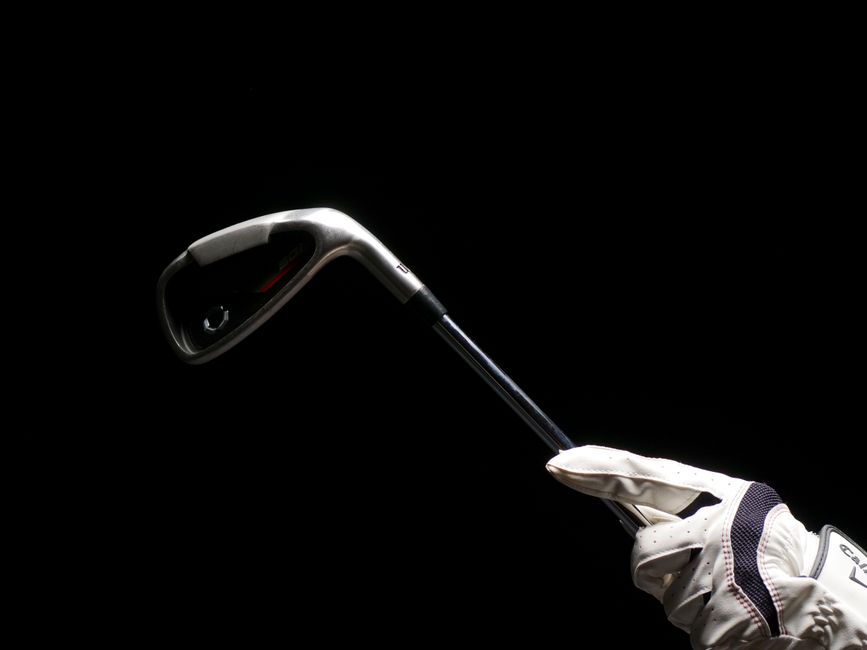
Here's the technical reason grip sensors don't mess with your game: swing dynamics depend on clubhead weight, shaft flex, and your muscle memory. A few grams at the grip end of the club is imperceptible compared to the 200-plus grams in the clubhead itself.
Professional fitters have confirmed that adding lightweight sensors has no measurable impact on launch angle, spin rate, or ball flight. Your 7-iron will still feel like your 7-iron. Your driver will perform as it always has. The only difference is that you now get peace of mind knowing exactly where your equipment is at the end of the round.
This is where Golf Club Watch Knowledge makes the case so clear. The whole point of smart grip technology is to solve the lost-club problem without complicating or compromising your actual golf experience. You get protection without compromise.
Full-Bag Coverage: How Many Sensors You Actually Need
Most golfers ask the same question: do I need to sensor every club, or just the expensive ones? The answer depends on your priorities and budget.
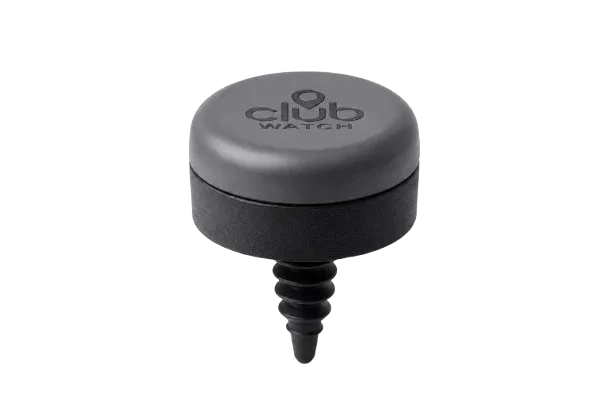
A full 14-club setup typically includes 14 individual sensors, but many golfers start smaller and build up. If you're protecting your most valuable clubs (driver, putter, wedges), a 4-pack or 2-pack covers your highest-loss items first. The ClubWatch 4-Pack covers your putter and wedges, which are statistically the most commonly lost clubs on the course.
If you want complete visibility into your entire bag, the ClubWatch 13-Pack gives you whole-bag coverage at the best value. You can always add individual sensors later if needed.
The key insight: you don't need to go all-in at once. Start with the clubs you're most likely to forget (your wedges, putter, and hybrid) and expand from there as you get comfortable with the system.
Real-World Performance: What Actually Happens on the Course
The sensors work seamlessly during your round. They don't require charging between plays, they don't ping you mid-swing, and they don't drain your phone battery. The Bluetooth connection is quiet and unobtrusive. You'll forget they're even there, which is exactly the point.
At the end of your round, as you're packing up, the app does a quick audit of your bag. If a sensor is missing, you get a notification immediately. No confusion. No awkward phone call back to the pro shop two hours later asking if anyone turned in your 6-iron.
According to research on smart device adoption in golf, users report significantly reduced anxiety about equipment loss within the first few rounds of using grip sensors. The psychological relief alone justifies the investment for many golfers.
Sensor Durability and Long-Term Reliability

Grip sensors are built to withstand weather, moisture, and the general wear and tear of regular course play. The embedded designs are particularly robust because they're protected by the grip material itself. Even twist-in designs use sealed, water-resistant casings that survive rain, humidity, and cleaning.
Battery life typically ranges from one to three seasons depending on usage frequency, which means you won't be replacing sensors constantly. Most manufacturers design for longevity, not planned obsolescence. If a sensor ever does need replacing, ClubWatch Single Sensor add-ons let you swap it out without buying a whole new pack.
Comparing Lightweight Sensor Options
Not all grip sensors are created equal. Some use embedded technology baked into the grip rubber itself. Others use cartridge designs. The tradeoff is usually between weight, durability, and installation simplicity.
Embedded sensors (4.4 grams) offer the lightest feel and most seamless integration. Cartridge designs (7.34 grams) are slightly heavier but easier to install and replace. Both approaches have proven effective in the field.
For golfers with oversized grips or those who prefer a thicker feel, specialized designs like the ClubWatch SuperStroke option accommodate larger grip preferences without adding extra weight complications.
The bottom line: choose the system that fits your grip style and your comfort level with setup. The weight difference between options is negligible for actual gameplay.
Why Golfers Choose Smart Grip Sensors Over Other Solutions
You could leave a note in your bag. You could ask the pro shop to call. You could just accept losing one or two clubs per season as a cost of golf. Or you could get the peace of mind that comes with knowing exactly where your equipment is at all times.
Smart grip sensors solve a real problem that affects your wallet and your enjoyment of the game. They're not luxury gadgets; they're practical solutions disguised as technology. And because they're so lightweight, the only thing you're giving up is worry.
When you're ready to protect your clubs without compromising your swing, Golf Club Watch Knowledge makes the transition frictionless. Their system is built for golfers who want solutions that actually work, not complicated gadgets that distract from the game.
Are grip sensors legal in tournament play?
Most PGA tournaments and club competitions treat distance-tracking sensors carefully under equipment rules. However, basic lost-club alert systems (which don't provide shot analysis during play) are typically permitted. Always check with your tournament director before competing, as rules vary by governing body. For casual rounds, there are no restrictions.
How much battery life do these sensors actually have?
Lightweight grip sensors typically operate for one to three seasons on a single charge, depending on how frequently you play. If you're a regular golfer playing once or twice weekly, expect 18 to 36 months of continuous operation. Battery replacement or sensor upgrade is straightforward and affordable.
Will I feel the weight difference between a regular grip and a sensored grip?
No. The weight difference (4 to 7 grams per club) is imperceptible during the golf swing. Your club will feel and perform exactly as it did before. Independent testing confirms no measurable changes to swing speed, launch angle, or ball flight characteristics.
Can I use grip sensors with my current clubs, or do I need new ones?
Grip sensors retrofit onto your existing clubs without requiring new clubheads, shafts, or major modifications. You can add them to your current set immediately, or install them when you next regrip. This makes upgrading to smart tracking affordable and non-disruptive to your current equipment setup.