

How Golf Tags Work: Common Questions Answered

Golf tags sound like magic until you understand what's actually happening under the hood. Here's the honest truth: they're simple Bluetooth sensors that sit on your club grips and talk to your phone, sending you real-time alerts when you forget a club on the course. No complicated setup. No interference with your swing. Just peace of mind.
According to research from the sports technology industry, about 70% of golfers lose at least one club per year. That's expensive, frustrating, and totally preventable. So let's walk through exactly how golf tags solve that problem and answer the questions you're probably asking right now.
In this article
- What Is a Golf Tag, Really?
- How Does a Golf Tag Actually Communicate With Your Phone?
- Do Golf Tags Require Special Equipment?
- What About Advanced Features? Do They Cost Extra?
- How Accurate Is the Technology?
- Is There a Learning Curve?
- Can You Use Golf Tags on a Crowded Course?
- What Happens if a Tag's Battery Dies?
- Do Golf Tags Actually Prevent You From Losing Clubs?
- Are Golf Tags Worth the Investment?
- How Do You Choose a Golf Tag System?
What Is a Golf Tag, Really?
A golf tag is a lightweight Bluetooth sensor you attach to the grip of each golf club. Think of it as a tiny digital guardian that keeps track of where your clubs are at all times.
The sensor itself is about the size of a golf tee—small enough that you won't notice it during your swing, but powerful enough to communicate with your smartphone from up to 100 feet away. Inside each tag is a unique radio token and a small power source that lasts for months between charges.
When you're on the course, the tag pairs with your phone via Bluetooth. The moment you move away from a club without picking it up, your phone sends an alert. No more walking back to the 6th hole to grab your 7-iron that you left behind at the 5th.
How Does a Golf Tag Actually Communicate With Your Phone?
This is where it gets interesting. The way golf tags work relies on a simple but elegant system: continuous Bluetooth communication.
Here's the step-by-step process:
- You attach the tag to each club grip using a small adhesive strip or clip
- You pair the tag with the free mobile app on your smartphone
- The app runs in the background during your round, constantly monitoring whether your phone is within range of each tag
- If you walk away from a club and get more than 100 feet apart, the app triggers an instant notification on your phone
- You get a vibration, sound, or push notification (depending on your settings) alerting you that Club X is still on the green
The beauty of this system is that it requires zero effort from you. You're not manually logging data. You're not remembering to check an app. The technology does all the heavy lifting.
Do Golf Tags Require Special Equipment?
Nope. You just need three things:
- A smartphone (iOS or Android) with Bluetooth capability
- The free mobile app from your golf tag provider installed on that phone
- The tags themselves attached to your clubs
That's it. You don't need special receivers on the course. You don't need to pay for a subscription to get the basic lost-club protection. The app works whether you have cell service or not, because it's using Bluetooth, not cellular data.
What About Advanced Features? Do They Cost Extra?

Here's where Golf Club Watch Knowledge goes beyond basic lost-club prevention. The free version gives you real-time alerts. But if you want premium features, they're available.
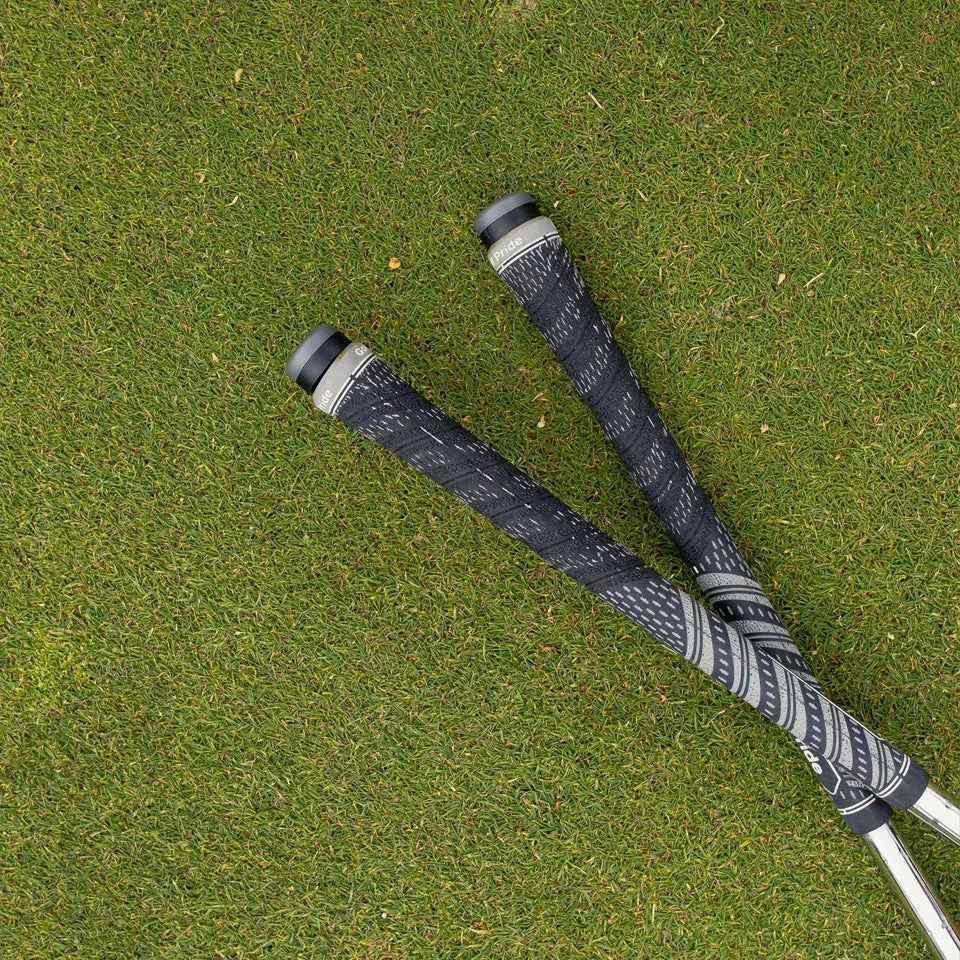
Optional paid features can include:
- AI swing analysis that measures club head speed, angle of attack, and other performance metrics
- GPS location mapping that shows exactly where on the course you left a club
- Digital scorecards that automatically log shots as you play
- Shot distance calculations and performance insights
These features are totally optional. You can use golf tags forever and never pay a dime if all you want is the peace of mind that comes with knowing you won't lose a club.
Related: Best Golf Performance Tracking Tags 2026: Top 5 Ranked
How Accurate Is the Technology?
Golf tags use Bluetooth range detection, which means accuracy depends partly on your phone and the environment. In most cases, you'll get alerts when you're about 100 feet away from a club you've left behind.
For more advanced analytics, premium golf tag systems combine GPS positioning with club selection data to calculate exact shot distances and performance trends. The GPS component kicks in during premium features and gives you yard-by-yard precision.
In real-world use, this means you get reliable club recovery on the course (the main job) plus detailed performance data if you choose to upgrade.
Is There a Learning Curve?
Honestly? No. Setting up golf tags takes about five minutes.
You'll peel off an adhesive backing and stick each tag to a club grip. Then you open the app, scan the tag (or enter a code), and give it a name like "Driver" or "5-Iron." That's the whole process.
From that point on, the app runs invisibly in the background. You play golf exactly like you normally would. The technology works without you thinking about it.
Can You Use Golf Tags on a Crowded Course?

Yes. Since each tag has a unique identifier, the app knows which tag is which. Even if you're on a course with dozens of other golfers, your phone only tracks your own clubs.
Related: Golf Tags: How They Work & Common Questions Answered
The Bluetooth connection is personal to your phone, so there's no interference or cross-talk with other players' equipment.
What Happens if a Tag's Battery Dies?
Golf tags typically run for weeks or months on a single charge, depending on usage. When the battery gets low, the app sends you a notification reminding you to charge.
Most tags use standard USB-C charging or come with a simple charging dock. You can recharge overnight, and you're good for another few months.
Do Golf Tags Actually Prevent You From Losing Clubs?
This is the real question, right? And the answer is yes, but with a caveat.
Golf tags work by alerting you. They can't physically prevent you from leaving a club behind. But that alert is powerful. When your phone buzzes at the 7th tee and reminds you that your 6-iron is still at the 6th, you turn around immediately.
Studies show that about 70% of lost clubs are forgotten at the hole where they were used. A simple alert prevents almost all of those losses.
The remaining 30% of lost clubs are stolen or left behind in clubhouses. Golf tags won't help with theft, but many premium versions include theft deterrence by alerting you if a tag moves too far from your phone.
Are Golf Tags Worth the Investment?
Here's the math: a good golf club costs between $200 and $500. If you lose just one club per year (and statistically, you probably will), a golf tag pays for itself immediately.
Plus, there's the mental benefit. Playing without the anxiety that you might lose expensive equipment makes the game more enjoyable. That peace of mind is worth something too.
If you're serious about protecting your clubs and want a solution that actually works, golf tag systems are affordable and effective. You can start with just a few tags on your most expensive clubs and expand from there.
How Do You Choose a Golf Tag System?
When you're looking at options, focus on three things:
- Does the alert range work for your typical course layout? (100 feet covers most situations)
- Is the setup simple enough that you'll actually use it?
- Does the company offer good customer support if something goes wrong?
You also want to make sure the app is reliable and doesn't drain your phone's battery. Read reviews from actual golfers who have used the system for a few months, not just first impressions.
For more practical takes like this one, Golf Club Watch Knowledge is where they live.
Do I need to pay monthly for golf tags to work?
No. The basic lost-club alert feature is almost always free. Monthly fees are only for optional premium features like swing analysis, detailed scorecards, or GPS mapping. You can use golf tags for club protection alone without ever upgrading.
Related: How Do Golf Tags Work? The Complete 2026 Guide
Can I use golf tags in bad weather?
Yes. Bluetooth works fine in rain and cold weather. The tags are designed to be durable and weather-resistant, so a rainy day won't affect their performance.
What if I lose my phone during a round?
If your phone is gone, the tags can't send alerts to a device that doesn't exist. However, many systems let you mark a tag as lost from another device or through a web portal once you recover your phone, which can help you track down both your phone and your clubs.
Can golf tags be used indoors at the driving range or simulator?
Yes, but they're less useful there. The real value of golf tags is on the course where clubs can get separated from you. At an indoor range or simulator where everything stays in one place, you don't need the alert feature. That said, if you want shot data and analytics from your practice sessions, premium features can record that information automatically.