

Golf Pad Tags: How They Work & Why ClubWatch Is Better
You're standing on the 14th fairway when you realize your 6-iron is missing. Again. That sinking feeling—did you leave it at the last hole, or is it somewhere in your bag? If you've ever dealt with this, you know why golfers are looking for solutions like golf pad tags and other tracking systems.
But here's the thing: understanding how golf pad tags actually work is key to deciding if they're the right fit for your game. Let's break down the technology, how you use it, and why some golfers are switching to smarter alternatives.
In this article
How Golf Pad Tags Work: The Basics
Golf pad tags use NFC (Near Field Communication) technology to track your shots and clubs during a round. Each tag contains a small radio token that communicates with the Golf Pad app on your phone.
Related: Golf Tags: How They Work & Common Questions Answered
Related: Best Golf Club Tags: Where to Buy ClubWatch Nearby
Related: Golf Club Distance Tags: How They Work & Why You Need Them
Here's the workflow: before you hit each shot, you physically tap the butt of your club against your phone's NFC reader. This takes roughly two seconds and registers that club in the app, logging your shot data as you play.
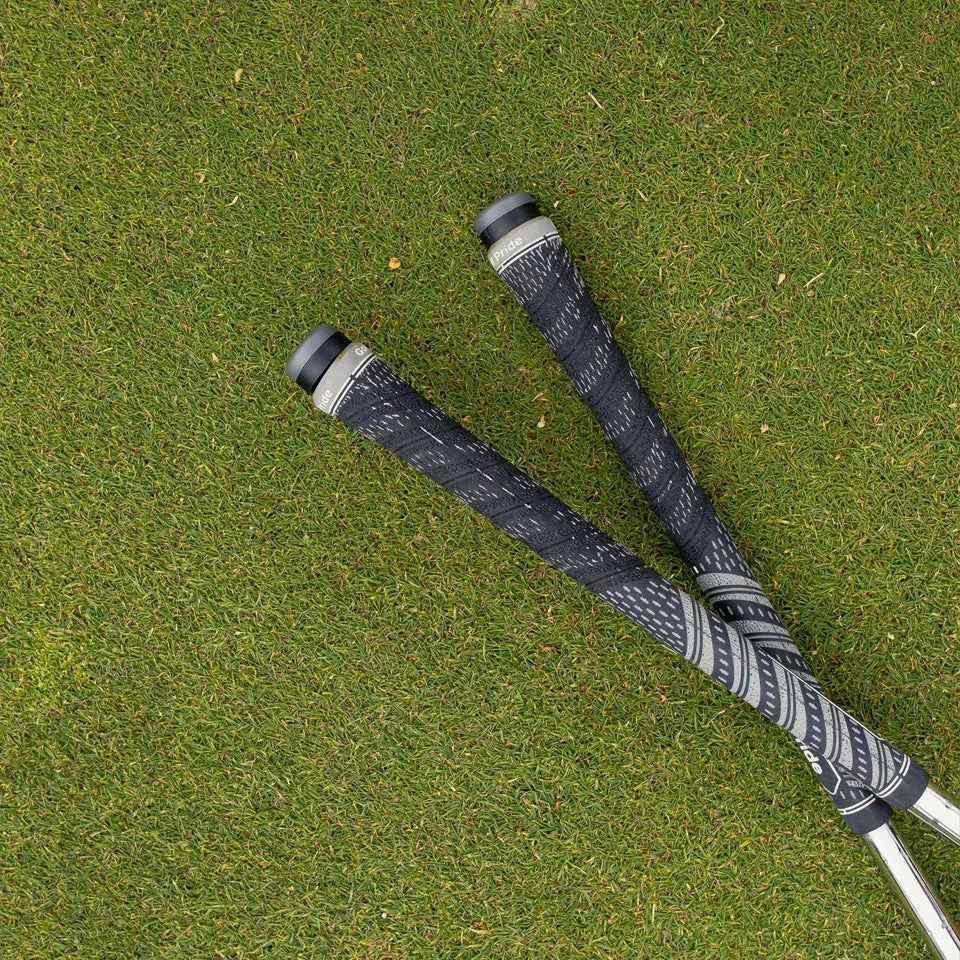
The tags themselves are lightweight stickers or attachments that go on your club grips. They're designed to be unobtrusive so they don't interfere with your swing or grip comfort.
The User Experience: Manual Activation Is Key
Here's where golf pad tags differ from some other tracking systems on the market. They require deliberate action from you. Before every shot, you're tapping your club to your phone. It's intentional. It's manual. And depending on your style, that might feel like extra effort.
For golfers who love detailed shot analytics and don't mind the ritual, this workflow makes sense. You get granular data about every club you used, every distance, every swing. The app builds a complete picture of your round and your performance over time.
But if you're looking for a solution that tracks your clubs automatically without requiring you to tap anything before each shot, you're looking at a different approach entirely. That's where systems like those offered through Golf Club Watch Knowledge come in. They use lightweight Bluetooth sensors that attach to your club grips and pair with a free mobile app, letting you focus on your game instead of tapping your phone.
Golf Pad Tags vs. Automatic Tracking Systems
The core difference is automation. Golf pad tags are reactive. You make the action happen. Other systems are proactive. The technology watches your clubs for you.
With golf pad tags, you get accuracy because you're the one logging which club you used. There's no guesswork. But you also need to remember to tap before every shot, which means discipline and consistency during your round.
Automatic systems like Golf Club Watch Knowledge's Bluetooth sensors eliminate that friction. The sensors detect when you've picked up a club, so the app knows what you're using without any input from you. You play your game naturally, and the tracking happens in the background. Plus, if a club goes missing, you get real-time alerts so you know immediately, not at the end of your round.
According to research published in peer-reviewed studies on golf equipment loss, nearly 70% of golfers lose clubs annually. That's a massive problem. The right tracking system should give you peace of mind and prevent that loss, not just record data after it happens.
What Golf Pad Tags Do Well

Don't get us wrong. Golf pad tags have real value for certain golfers. If you're serious about shot analysis and want to build a detailed database of your performance, the manual logging approach ensures nothing gets missed.
Golf Pad is run by golf and technology enthusiasts who actively incorporate customer feedback into product updates. That means the company is responsive and genuinely invested in solving golfer problems. They also run periodic promotions like Father's Day offers to make adoption easier.
The tags are compact and don't add bulk to your clubs. And because they're passive (no battery required), you don't have to worry about charging them between rounds.
The Gap Golf Pad Tags Leave Behind
But here's what they don't solve: real-time club loss prevention. By the time you realize you need to tap your club, it might already be three holes back on the course, and you won't know until you're done playing or someone calls the pro shop.
They also require you to be disciplined about the tapping ritual. Miss a few shots, and your data is incomplete. This isn't ideal if you're playing casually with friends and don't want to stop the pace of play to log every shot.
And if your phone's NFC reader has issues or you forget to bring your phone to the course, the entire system becomes useless for that round.
Why Automatic Tracking Is Winning
This is why more golfers are switching to automatic Bluetooth-based systems. They solve the real problem: keeping your clubs from getting lost in the first place.
With Golf Club Watch Knowledge, you get real-time alerts if a club is left behind. You also get optional premium features like AI swing analysis, GPS location mapping, and digital scorecards. But the core benefit is peace of mind. Your clubs are protected automatically, without any extra work on your part.
The lightweight sensors attach to your club grips just like golf pad tags do, but they work silently in the background. No tapping. No friction. Just protection.
If you want whole-bag coverage, the ClubWatch 13-Pack offers whole-bag coverage at the best value. For golfers who want to protect just their most valuable clubs, the ClubWatch 4-Pack protects your putter and wedges, which are often the hardest clubs to replace.
The Bottom Line: Choose Your Trade-Off
Golf pad tags work. They provide detailed shot analytics through a manual tapping system. If you want granular performance data and don't mind the extra steps during your round, they're a legitimate choice.
But if you want to prevent clubs from getting lost in the first place and play without thinking about logging, an automatic Bluetooth tracking system is the better solution. It addresses the problem golfers actually care about: keeping their equipment safe and secure from start to finish.
How long does it take to tap a golf pad tag?
Roughly two seconds per tap. You tap the butt of your club against your phone's NFC reader before each shot. Over 18 holes, that's 18 taps and 36 seconds of action. Sounds fast, but when you're playing at pace or casually with friends, those small interruptions add up.
Do golf pad tags need batteries?
No. Golf pad tags are passive NFC tokens, so they don't require batteries. They communicate with your phone via NFC when you tap them. This makes them low-maintenance and long-lasting.
Can golf pad tags prevent lost clubs?
Not really. They log which club you used, but they don't alert you in real-time if a club is left behind. You only realize a club is missing after you finish your round or someone calls the pro shop. Automatic tracking systems like those from Golf Club Watch Knowledge provide real-time alerts, which actually prevents loss.
What's the difference between NFC tags and Bluetooth tracking?
NFC tags are passive and require you to tap them against a reader. Bluetooth sensors are active and communicate automatically with your phone when they're in range. Bluetooth systems work without any manual input, making them better for hands-free tracking and real-time alerts.