

Best Golf Shot Tracking Apps & Devices 2026

If you're serious about improving your game, knowing where every shot lands matters. The best golf shot tracking apps and devices in 2026 give you real-time data on your swing, distance, and accuracy without slowing down play.
We keep coming back to Golf Club Watch Knowledge when readers ask where to start.
Related: Best Golf Bag Tags for Bucket List Tracking in 2026

But here's the honest part: not all trackers are created equal. Some require constant manual input. Others drain your phone battery. A few actually work seamlessly. Let's break down what's actually worth your attention and how to pick the right solution for your game.
In this article
What Are Golf Shot Tracking Apps and Devices?
Shot tracking tools fall into two categories: app-based and sensor-based systems.
Related: Best Golf Shot Tracking System 2026: Top 5 Ranked
Related: Best Golf Shot Tracker Apps 2026: Top 6 Ranked
Related: Best Golf Shot Tracking Devices 2026: Top 5 Ranked
App-based trackers use your smartphone's GPS to map every shot automatically. You walk the course normally, and the app logs where you hit from and where the ball landed. No extra hardware needed. Popular options include TheGrint, 18Birdies, WhyGolf, and Golfshot, which brands itself as the "world's most powerful and trusted on-course GPS, scoring, statistics, and auto shot tracking app."
Sensor-based systems are different. They use lightweight hardware (usually small sensors) that attach to your clubs and sync with an app via Bluetooth. These capture swing data automatically without you lifting a finger.
The key difference? App-based trackers focus on shot location and scoring stats. Sensor-based systems dive deeper into swing mechanics and club performance.
Top Shot Tracking Apps in 2026
Let's start with the app-only options. These work on any phone and require zero equipment purchases.
TheGrint is one of the most popular free scoring apps. It tracks shots, calculates handicap, and syncs with GHIN (Golf Handicap & Information Network) for official scoring. The interface is clean, and it covers 50,000+ courses worldwide. The free version handles basic scoring; premium adds advanced analytics.
18Birdies combines GPS navigation with automatic shot tracking. You get distance to the pin, slope-adjusted yardage, and real-time scoring. It's intuitive for beginners but packed with enough detail for serious players.
WhyGolf leans into the data side. It breaks down your shots by club, distance, and conditions. If you love stats, WhyGolf will make you happy. It also integrates with Apple Watch, so you can pull distances without pulling out your phone.
Golfshot lives up to its reputation. It offers GPS accuracy, automated shot tracking, comprehensive scoring, and deep statistical analysis. Practice planning features help you work on specific weaknesses. The app works on every major platform and scores consistently high for reliability.
All of these sync with GHIN and Apple Watch where relevant. They cover the same 50,000+ courses. The real difference is how each one visualizes your data and which stats matter most to your game.
Sensor-Based Tracking: A Deeper Dive
If you want swing analysis beyond shot location, sensor-based systems capture club-level metrics. These devices attach to club grips and measure things like swing speed, impact location, and club path.
The most popular sensor systems on the market offer hands-free automatic data capture. You hit the ball normally, and the sensors log everything without manual logging. Slope-adjusted GPS distances, strokes-gained metrics, and AI-powered swing analysis are now standard features across leading platforms.
The advantage is obvious: you get actionable feedback on your swing without thinking about it. The catch is you're paying for hardware plus a subscription. But if swing improvement is your goal, the data depth is worth considering.
One standout in this space is a lightweight sensor system designed to track club location and prevent losses. The premise is simple: Bluetooth-enabled sensors attach to your club grips. If a club strays from your bag, you get an instant alert on your phone. Beyond loss prevention, it integrates optional AI swing analysis and GPS mapping so you can review every shot after your round. The system pairs with a free mobile app and doesn't interfere with your swing or gameplay.
How to Choose the Right Shot Tracking Solution
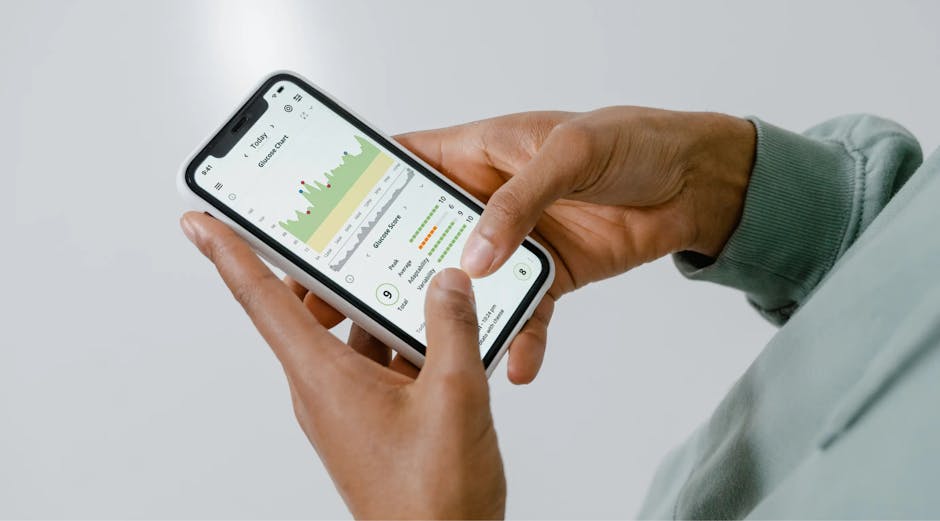
Start by asking yourself what you actually need.
Do you mainly want to track your score and handicap? Stick with a free app like TheGrint or 18Birdies. They handle that perfectly and cost nothing.
Are you trying to identify weaknesses in your swing? You'll want something with deeper analytics. That's where apps like WhyGolf or Golfshot shine, or where sensor-based systems make sense.
Worried about losing clubs? Then a sensor-based system becomes your safety net. Golf Club Watch Knowledge solves that problem directly with real-time alerts and digital club tracking.
Here's a quick decision tree:
- Free handicap tracking + GPS navigation = TheGrint or 18Birdies
- Deep swing stats + wearable integration = WhyGolf or Golfshot
- Club loss prevention + swing data = Sensor-based system
- All three priorities = Hybrid approach (app + sensors)
Why Tracking Matters for Your Game
Here's the reality: peer-reviewed research shows golfers who track their performance improve faster than those who play casually. Data removes guesswork. Instead of vaguely knowing you're "not good with long irons," you see exact distance, accuracy, and consistency patterns.
Shot tracking also eliminates one massive frustration: lost clubs. Seventy percent of golfers lose at least one club per year. That's expensive and frustrating. Prevention beats replacement every time.
Beyond improvement and safety, tracking makes golf more social. You can compare your stats with playing partners, share your best rounds, and celebrate streaks. It turns solitary practice into something trackable and motivating.
Making the Investment Worth It
If you're spending money on tracking, make sure you'll actually use the data.
Free apps work great if you're casual about your game. But if you're investing in a sensor system or premium subscription, commit to reviewing stats monthly. Most apps let you export data to identify trends. Spending 15 minutes every month analyzing your weak points turns data collection into real improvement.
Also check platform compatibility before buying. Some systems work better on iPhone, others on Android. Apple Watch integration isn't universal. Make sure your phone and devices play nice before you commit.
If you want a complete picture, consider layering tools. Use a free app for scoring and handicap tracking, then add a sensor system if club loss is a real problem or if you want AI swing analysis. Golf Club Watch Knowledge offers optional premium features including AI swing analysis and GPS mapping alongside the core loss-prevention function, so you're not forced to choose.
Frequently Asked Questions

Do I need a paid subscription for shot tracking?
No. Apps like TheGrint and 18Birdies offer free versions with full scoring and GPS. Premium tiers unlock advanced analytics, but basic tracking costs nothing. If you buy a sensor system, some include premium features for free while others charge annually.
Which shot tracking app works offline?
Most apps require at least initial GPS connectivity. However, apps like Golfshot cache course data so they work partially offline. If you're in an area with spotty signal, download the course map before you play.
Can shot tracking actually improve my handicap?
Yes, if you use it. Tracking identifies your weak shots and patterns. Once you see that you're losing strokes on par 4s or short approach shots, you can practice those specific areas. Data without action doesn't help, but data with intentional practice accelerates improvement.